
Top Watches Equipped with Blood Oxygen Sensors in 2024
By:Admin
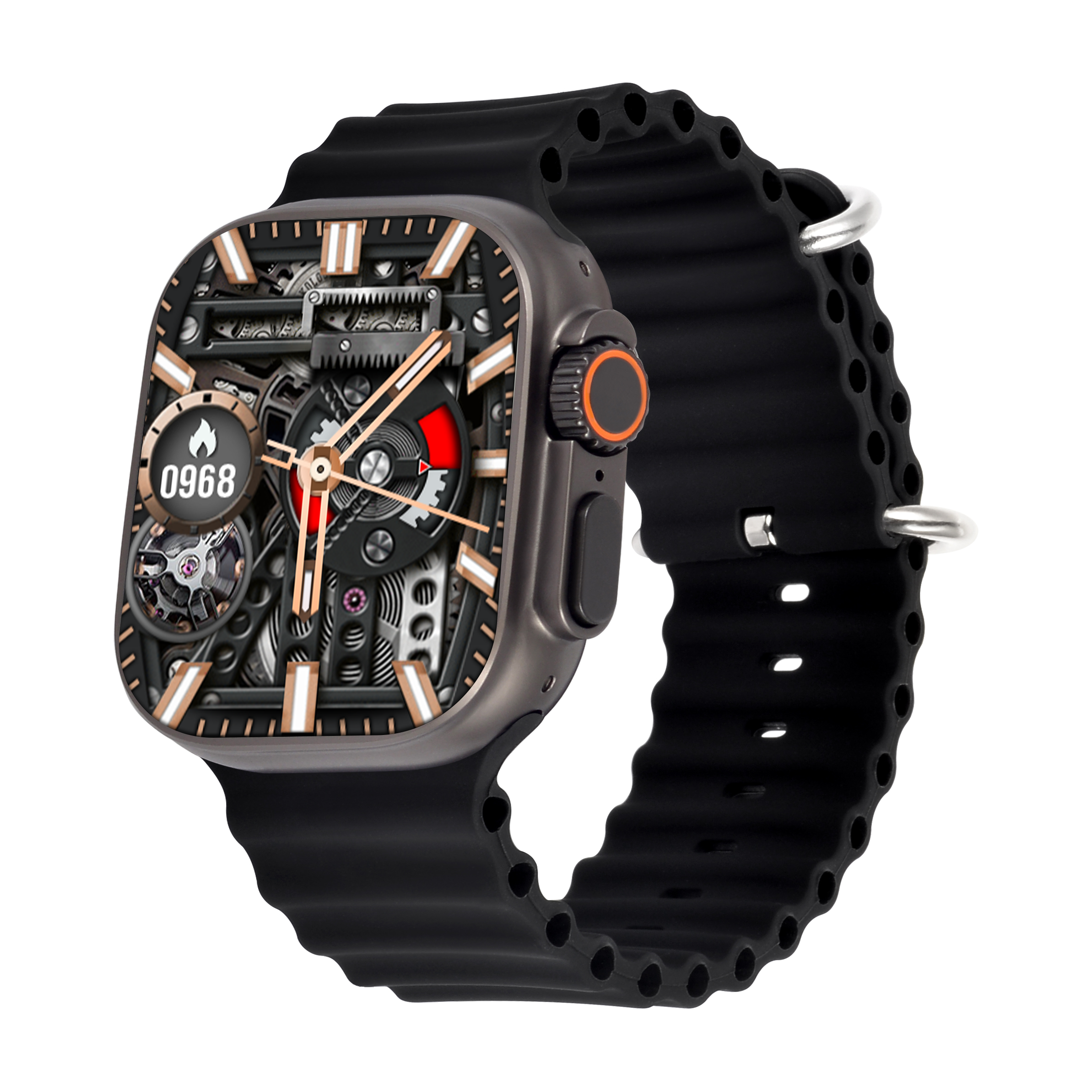
In today’s fast-evolving wearable technology market, the integration of advanced health sensors has become a game-changer for personal wellness. Among these, watches equipped with blood oxygen sensors stand out, offering users continuous insights into their cardiovascular and respiratory health. This emerging trend highlights how technology is increasingly empowering individuals to take control of their well-being through real-time data and actionable health metrics.
Blood oxygen saturation (SpO2) is a crucial indicator of respiratory efficiency and overall health. Traditionally measured using bulky medical devices, the availability of compact sensors integrated into wearable watches marks a significant stride in making health monitoring both accessible and convenient. These smartwatches monitor oxygen levels in the blood non-invasively, providing users with vital information that helps detect potential issues early, such as sleep apnea, chronic obstructive pulmonary disease (COPD), or hypoxemia.
The rise of wearables with blood oxygen sensors reflects a broader shift toward preventive healthcare. Modern consumers are becoming more health-conscious, seeking tools that not only track steps or heart rate but also provide deeper physiological insights. By seamlessly blending cutting-edge sensor technology with stylish designs and user-friendly interfaces, these watches are redefining the wearable experience.
One of the key benefits of watches featuring blood oxygen sensors is their ability to offer continuous monitoring without interrupting daily routines. Unlike spot-check devices that require manual measurement, these smartwatches collect data around the clock, alerting users to irregularities promptly. This feature is especially beneficial for high-risk groups, such as individuals with chronic respiratory conditions, athletes monitoring performance, and those living at high altitudes.
Furthermore, the integration of blood oxygen sensors into wearable devices aligns with the increasing demand for multifunctional gadgets. Users now expect their smartwatches to do more than just display the time—they want comprehensive health monitoring capabilities, sleep tracking, GPS, and seamless smartphone connectivity. Manufacturers have responded by creating versatile devices that cater to these needs, enhancing user engagement and satisfaction.
The technology behind blood oxygen sensors in watches typically involves photoplethysmography (PPG), which uses light to measure the amount of oxygenated hemoglobin in the blood. Embedded LEDs emit light into the skin, and photodetectors analyze the light reflected back. This data is then processed by sophisticated algorithms to calculate accurate SpO2 levels. Continuous improvements in sensor accuracy and power efficiency have been critical in making these health features reliable and practical for everyday use.
Industry experts note that the growing popularity of these health-centric wearables also complements broader trends in digital health and telemedicine. By enabling users to monitor vital signs remotely, smartwatches with blood oxygen sensors facilitate timely medical consultations and data-driven healthcare decisions. This integration supports the shift toward personalized medicine, where treatments and recommendations are tailored based on individual health data patterns.
Moreover, the adoption of blood oxygen monitoring in wearable technology has been accelerated by recent global health concerns, including respiratory illnesses. Consumers recognize the importance of tracking oxygen levels as a preventive measure and as a tool for managing conditions that can impact oxygen saturation. Consequently, demand for watches with this feature has surged, pushing innovation and competition within the industry.
Companies investing in this space emphasize not only technological excellence but also user privacy and ease of use. Ensuring that health data is securely stored and transmitted has become paramount as wearables collect increasingly sensitive information. Additionally, intuitive app interfaces and comprehensive customer support services enhance the overall user experience, making health monitoring approachable for all age groups.
Looking ahead, the future of watches equipped with blood oxygen sensors is bright. Advancements in sensor miniaturization, battery longevity, and artificial intelligence will further enhance accuracy and functionality. Integration with other health metrics—such as heart rate variability, stress levels, and hydration status—will offer holistic health insights, empowering users to make informed lifestyle choices.
In conclusion, the advent of wearable watches with integrated blood oxygen sensors represents a significant leap forward in personal health technology. By combining medical-grade health monitoring capabilities with everyday convenience, these devices are transforming how people engage with their health. As technology continues to evolve, wearable health sensors are set to become indispensable tools in the pursuit of longevity, fitness, and well-being.
---
*Note: This article discusses the technological and market developments related to watches equipped with blood oxygen sensors, reflecting broader trends in wearable health technology.*