
Minimum Heart Rate: What You Need to Know
By:Admin
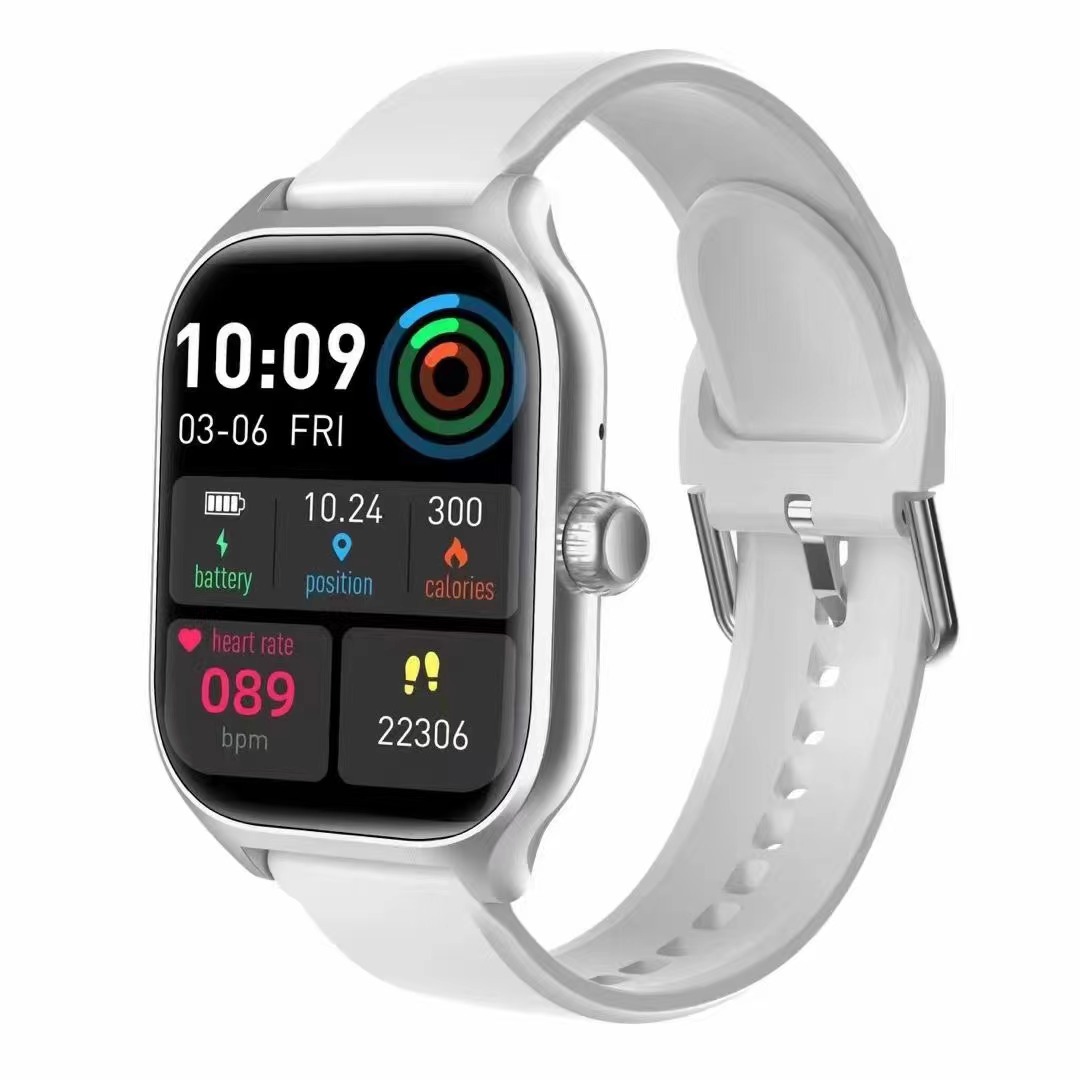
In recent years, the field of health monitoring has witnessed significant advancements, with innovative methodologies enabling more precise and accessible tracking of vital signs. Among these, the measurement of Minimum Heart Rate (MHR) has emerged as a crucial parameter in assessing cardiovascular health and overall well-being.
**What is Minimum Heart Rate?**
Minimum Heart Rate refers to the lowest number of heartbeats per minute recorded during a specific period, typically during rest or sleep. Unlike average or maximum heart rates, which vary with physical activity or stress, the minimum heart rate provides valuable insight into the baseline functioning of an individual's heart. It reflects the heart's efficiency and how well it can pump blood with minimal effort, often correlating with cardiovascular fitness and autonomic nervous system balance.
**Clinical Significance of Monitoring Minimum Heart Rate**
Medical professionals emphasize the significance of minimum heart rate as a diagnostic and monitoring tool. A lower resting or minimum heart rate typically suggests better cardiovascular fitness, as the heart can maintain adequate blood circulation with fewer beats, showcasing endurance and strength. Conversely, an unusually high minimum heart rate may be indicative of potential health issues such as stress, dehydration, fever, or underlying cardiac conditions. Continuous monitoring of this metric can therefore provide early warnings and guide interventions.
Additionally, minimum heart rate plays a pivotal role in the management of chronic illnesses. Patients with conditions like arrhythmias, hypertension, or heart disease benefit from regular monitoring of their minimum heart rate, enabling personalized treatment plans and timely adjustments.
**Technological Progress and Accessibility**
Recent innovations in wearable technology and mobile health applications have made the measurement of minimum heart rate more accessible to the general public. Sophisticated sensors embedded in smartwatches and fitness bands can track heart rate continuously and with impressive accuracy, including during sleep or periods of inactivity when minimum heart rate is most relevant.
These devices employ algorithms that filter movement artifacts and other noise to isolate true resting heart rate readings, allowing users to glean meaningful health insights without requiring clinical visits or specialized equipment. The convenience of real-time data collection empowers individuals to take proactive steps in managing their health, fostering awareness and motivation for adopting healthier lifestyles.
**Company Introduction**
At the forefront of these technological innovations is a company dedicated to enhancing personal health monitoring through state-of-the-art solutions. With a mission to combine scientific excellence and user-friendly design, the company has developed a comprehensive platform that integrates wearable devices with intuitive software applications. Their products provide continuous, real-time tracking of vital signs, including minimum heart rate, offering users actionable insights and personalized health recommendations.
The company's approach centers on leveraging data analytics and artificial intelligence to interpret complex biometric data, translating it into clear guidance that supports wellness and early detection of potential health issues. By prioritizing accuracy, privacy, and ease of use, the brand has positioned itself as a trusted partner for health-conscious individuals and healthcare providers alike.
**Impact on Health and Wellness**
The growing ability to monitor minimum heart rate accurately has broad implications beyond individual health. Employers, insurance providers, and medical institutions are beginning to recognize the value of such data for promoting preventive care and designing targeted wellness programs.
For fitness enthusiasts and athletes, monitoring minimum heart rate offers a metric to evaluate recovery and optimize training regimens. It helps determine overtraining risks and ensures workouts contribute to cardiovascular improvements.
For the aging population, this measurement provides vital feedback on heart health, helping detect potential declines early and encouraging timely medical consultations.
**Looking Ahead**
As technology continues to evolve, the integration of minimum heart rate monitoring into everyday life is set to deepen. Future developments may include more advanced sensors capable of measuring additional cardiac parameters simultaneously, enhanced predictive analytics for personalized health forecasting, and broader adoption in telemedicine platforms, making healthcare more proactive and accessible.
The company's commitment to innovation and quality positions it well to lead these advancements. Their ongoing research and development efforts aim to refine the accuracy and usability of their devices, ensuring that users receive reliable health data and meaningful recommendations.
**Conclusion**
Understanding and tracking minimum heart rate has become an essential aspect of modern health monitoring, providing critical insights into cardiovascular function and overall wellness. Thanks to technological progress spearheaded by innovative companies, this once-clinical metric is now within reach of anyone interested in taking charge of their health.
By embracing these tools and the information they provide, individuals can make informed lifestyle choices, healthcare professionals can deliver better care, and society as a whole can move towards more preventive and personalized health solutions. The continued focus on minimum heart rate monitoring symbolizes a broader shift towards integrating technology and medicine for a healthier future.