
- Home
- Blog
- Latest Innovations in Bluetooth Connectivity and Health Monitoring for Smartwatches and Wearable Technology
Latest Innovations in Bluetooth Connectivity and Health Monitoring for Smartwatches and Wearable Technology
By:Admin
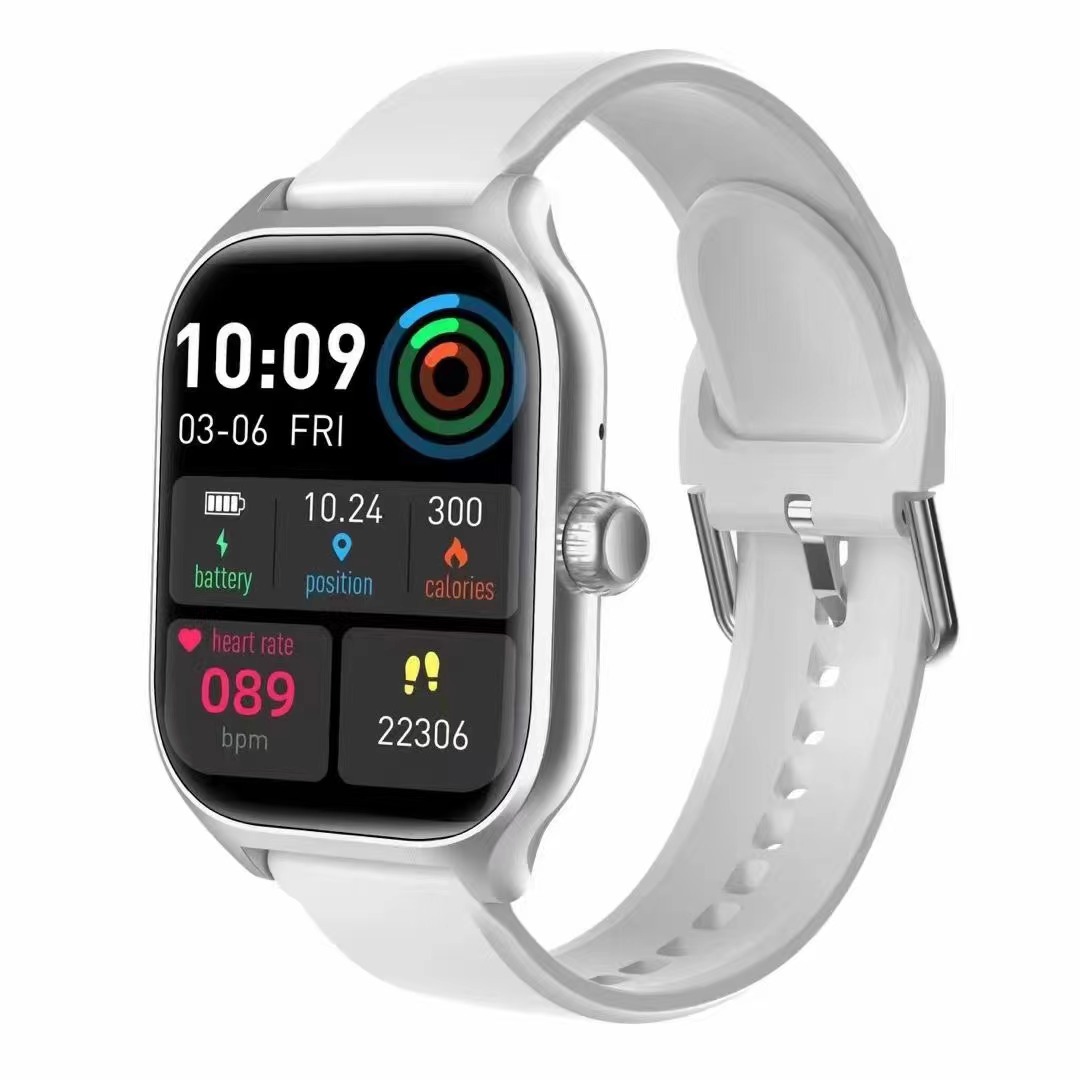
In recent years, wearable technology has dramatically transformed the way individuals manage their health and fitness. With the integration of Bluetooth connectivity, fitness tracking, health monitoring, heart rate monitoring, smartwatches, and touchscreen interfaces, wearable devices have become indispensable tools for millions worldwide. This article explores these innovations and their impact on personal wellness, highlighting how companies in the tech industry continue to push the boundaries of what wearable technology can achieve.
**The Evolution of Wearable Technology**
Wearable technology, once limited to basic pedometers and simple step counters, has evolved into sophisticated devices capable of tracking a wide range of health metrics in real-time. Modern wearables leverage Bluetooth connectivity to seamlessly sync data with smartphones and other digital platforms, enabling users to monitor their fitness progress and health status anytime, anywhere.
The incorporation of touchscreens has enhanced user interaction, making it easier to navigate through various applications and access detailed reports. Smartwatches, a prominent form of wearable technology, now combine style, functionality, and health monitoring capabilities, attracting diverse consumer demographics—from fitness enthusiasts to individuals managing chronic health conditions.
**Fitness Tracking: Beyond Step Counting**
Fitness tracking remains a core feature of wearable devices. Beyond merely counting steps, today's wearables provide comprehensive insights into activities such as running, cycling, swimming, and even yoga. These devices calculate metrics like distance traveled, calories burned, pace, and workout duration, offering users a detailed view of their physical activity.
Advanced sensors embedded in these wearables analyze motion patterns to differentiate between various types of exercise, ensuring accurate data collection. This granular fitness tracking empowers users to set personalized goals, monitor progress over time, and adjust their routines to optimize performance and results.
**Health Monitoring and Heart Rate Tracking**
Health monitoring capabilities have expanded significantly, with heart rate monitoring being one of the most vital features in modern wearables. Continuous heart rate tracking allows users to observe fluctuations throughout the day, during workouts, and even while resting. This data helps in identifying abnormal rhythms, stress levels, and overall cardiovascular health.
Many wearable devices now incorporate additional health sensors that monitor blood oxygen levels, sleep quality, and even electrocardiogram (ECG) data. These advancements facilitate early detection of potential health issues, promoting proactive medical consultations and healthier lifestyle choices.
**The Role of Bluetooth Connectivity**
Bluetooth connectivity plays a crucial role in maximizing the utility of wearable technology. By enabling wireless communication with smartphones, tablets, and computers, Bluetooth ensures that health and fitness data is automatically uploaded and synchronized with dedicated applications.
This seamless integration allows users to visualize trends, share information with healthcare providers, and receive personalized recommendations. Moreover, Bluetooth connectivity supports notifications for calls, messages, and reminders, enhancing the overall user experience by combining communication and health management in a single device.
**Smartwatches: The Convergence of Technology and Style**
Smartwatches epitomize the convergence of wearable technology and everyday fashion. These devices not only deliver comprehensive health and fitness tracking but also function as smart communication hubs. The touchscreen interface provides intuitive access to a wide array of features, including music control, calendar alerts, weather updates, and even contactless payments.
Designers and engineers collaborate closely to offer customizable watch faces, interchangeable bands, and lightweight materials, making smartwatches appealing to users seeking both functionality and aesthetics. The growing popularity of these devices underscores the demand for technology that integrates seamlessly into daily life without compromising style.
**Wearable Technology Driving a Healthier Future**
Overall, advancements in wearable technology are fostering a more health-conscious society. By empowering individuals with real-time data and personalized insights, these devices encourage proactive engagement with fitness and well-being. The ongoing innovation in sensors, connectivity, and user interfaces promises even greater capabilities in the near future.
Incorporating comprehensive health monitoring with user-friendly smartwatch designs, coupled with robust Bluetooth connectivity, wearables are set to play an even more significant role in preventive healthcare and personalized fitness. As technology continues to advance, consumers can look forward to smarter, more reliable devices that not only track but actively enhance their health outcomes.
**Conclusion**
The synergy of Bluetooth connectivity, fitness tracking, health monitoring, heart rate monitoring, smartwatches, touchscreen interfaces, and wearable technology represents a milestone in personal healthcare innovation. These advancements provide users with unprecedented access to health data, fostering a proactive approach to fitness and well-being. Moving forward, the continued evolution of wearable devices will undoubtedly influence how society approaches health management, making wellness more accessible, engaging, and effective than ever before.